

Unveiling the Benefits of China Low Melting Fiber in Textile Production
Jan 19,2025
1. Introduction to Low Melting Fiber
Low melting fiber, a groundbreaking innovation in the textile industry, has transformed the way textiles are produced. Originating from China's advanced manufacturing capabilities, this unique fiber is designed to melt at relatively low temperatures, allowing for innovative fabric construction techniques. As the demand for high-performance and multifunctional textiles grows, understanding the benefits of low-melting fiber becomes crucial for manufacturers looking to stay competitive.
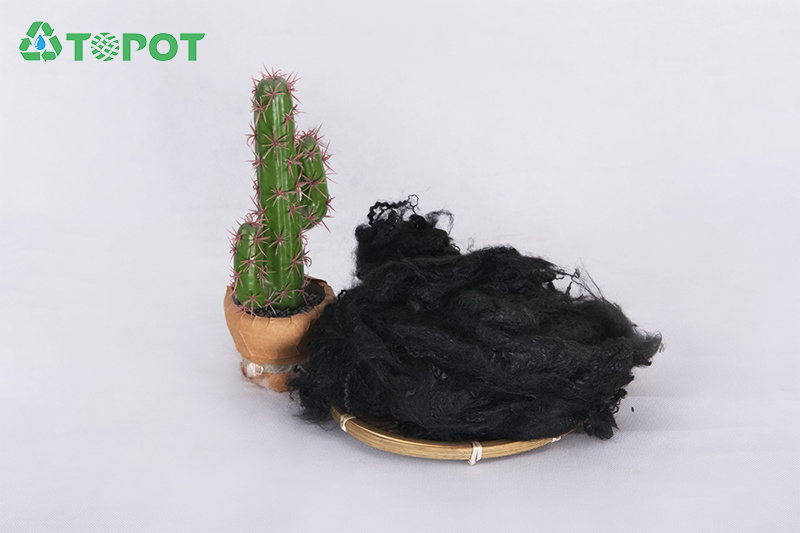
2. The Manufacturing Process of Low Melting Fiber in China
China is recognized for its cutting-edge technology in fiber production. The manufacturing process of low melting fiber involves polymerization, where specific polymers are engineered to achieve low melting points. Manufacturers in China utilize advanced machinery that ensures consistency in fiber quality and performance. The process typically includes the following steps:
1. Polymer Selection: The right polymer is selected based on desired melting properties.
2. Extrusion: The polymer is heated and extruded through spinnerets to create continuous filaments.
3. Cooling: The filaments are cooled to solidify before being cut into staple lengths.
4. Texturizing: Additional treatments such as crimping or twisting may be applied to enhance fiber properties.
This meticulous manufacturing process ensures that China’s low melting fiber maintains the highest standards of quality while meeting the diverse needs of the textile market.
3. Key Properties of China Low Melting Fiber
Low melting fiber is distinguished by specific properties that make it advantageous for various applications in textile production.
3.1 Thermal Stability and Resistance
One of the standout features of low melting fiber is its thermal stability. The fiber can withstand high temperatures during manufacturing without compromising its integrity. This property is essential when combining low melting fibers with other textiles, as it allows for the creation of hybrid materials that retain their durability and resilience.
3.2 Versatility in Blending with Other Fibers
Low melting fibers can be blended seamlessly with a variety of other fibers, including cotton, polyester, and nylon. This versatility enables manufacturers to create fabrics with customized textures, appearances, and performance characteristics. The ability to combine fibers enhances the fabric's overall functionality while offering designers more creative freedom.
4. Advantages of Using Low Melting Fiber in Textile Production
Incorporating China’s low melting fiber into textile production presents numerous benefits that can enhance the overall quality and efficiency of fabrics.
4.1 Enhanced Fabric Performance
Low melting fiber significantly improves the performance of textiles. Fabrics made with this fiber exhibit superior draping qualities, elasticity, and softness. Additionally, the low melting point allows for efficient bonding during the fabric manufacturing process, resulting in seamless constructions that enhance wearability.
4.2 Cost-Effectiveness in Production
The integration of low melting fiber can lead to substantial savings in production costs. Its ability to bond with other fibers reduces the need for additional stitching or adhesives, streamlining the production process. Furthermore, manufacturers can optimize their use of materials, leading to less waste and lower overall costs.
4.3 Contribution to Sustainable Practices
As the textile industry becomes increasingly focused on sustainability, low melting fiber offers an eco-friendly option. The fiber is often produced from recycled materials, reducing reliance on virgin resources. Additionally, its efficiency in manufacturing allows for a smaller environmental footprint compared to traditional textile production methods.
5. Applications of Low Melting Fiber in Textiles
The versatility of low melting fiber opens doors to various applications across the textile industry.
5.1 Fashion and Apparel
In the fashion industry, low melting fiber is utilized to create innovative garments that exhibit unique textures and styles. Designers leverage the fiber’s properties to produce lightweight, form-fitting clothing that enhances comfort and movement.
5.2 Home Textiles
Low melting fiber is increasingly used in home textiles, such as curtains, upholstery, and bedding. Its ability to retain shape and resist wrinkling makes it an ideal choice for furnishings that require both aesthetics and functionality.
5.3 Industrial Textiles
In industrial applications, low melting fiber plays a crucial role in producing high-performance textiles used in automotive, aerospace, and medical sectors. The fiber’s stability and strength make it suitable for demanding environments where durability is paramount.
6. Challenges and Considerations in Using Low Melting Fiber
While the benefits of low melting fiber are significant, there are challenges that manufacturers must consider.
6.1 Compatibility with Existing Manufacturing Systems
Integrating low melting fiber into existing production lines may pose challenges. Manufacturers need to ensure that their systems are adaptable to handle the unique properties of this fiber without causing disruptions in production.
6.2 Quality Control and Standards
Maintaining quality control throughout the manufacturing process is essential when working with low melting fiber. Establishing standards for fiber quality, performance, and safety is crucial to ensure that the end products meet industry regulations and consumer expectations.
7. Future Trends in Low Melting Fiber Technology
As the textile industry evolves, so too does the technology surrounding low melting fiber. Emerging trends include advancements in fiber production techniques, the development of innovative blends, and an increased focus on sustainability. Manufacturers are exploring new applications and markets, positioning low melting fiber as a staple in the future of textiles.
The incorporation of China's low melting fiber into textile production represents a significant advancement in the industry. Its unique properties and advantages, such as enhanced fabric performance, cost-effectiveness, and sustainability, make it an invaluable asset for manufacturers. As the textile industry continues to evolve, low melting fiber will undoubtedly play a vital role in shaping the future of textile innovation and production. By embracing this technology, manufacturers can position themselves at the forefront of the industry, delivering high-quality, versatile products that meet the demands of modern consumers.















