Unveiling the Wonders of PP Staple Fiber in the Chemical Fiber Industry
Jun 04,2024
PP staple fiber, also known as polypropylene staple fiber, is a synthetic fiber derived from polypropylene resin. This type of fiber is widely used in the textile industry, particularly in the production of nonwoven fabrics, such as geotextiles, hygiene products, and filtration materials.
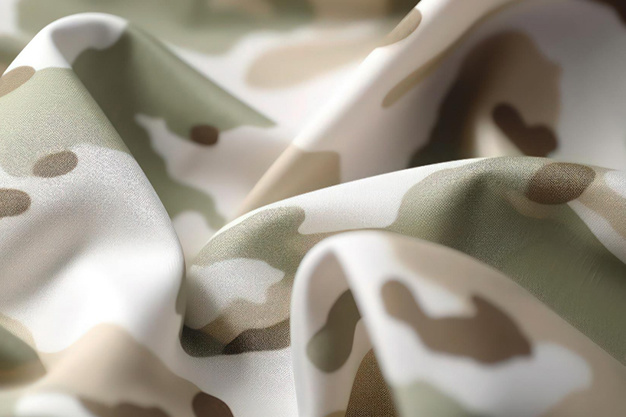
One of the key advantages of PP staple fiber is its excellent chemical and thermal resistance, making it ideal for applications that require durability and strength. Additionally, PP staple fiber is lightweight and has a low moisture absorption rate, making it suitable for outdoor and moisture-sensitive applications.
In terms of production, PP staple fiber is typically manufactured using a melt spinning process, where the polypropylene resin is melted and extruded through spinnerets to form continuous filaments. These filaments are then cut into short lengths to produce staple fibers, which can be further processed into various textile products.
The versatility of PP staple fiber makes it a popular choice in the chemical fiber industry, with its use extending to a wide range of applications, including automotive interiors, furniture upholstery, and industrial textiles. Its inherent properties, such as high tensile strength and abrasion resistance, make it a preferred material for demanding environments.
Overall, PP staple fiber plays a crucial role in the production of high-performance textiles in the chemical fiber industry. Its unique combination of properties, including durability, chemical resistance, and versatility, make it a valuable material for various applications across different sectors.